 Skip to content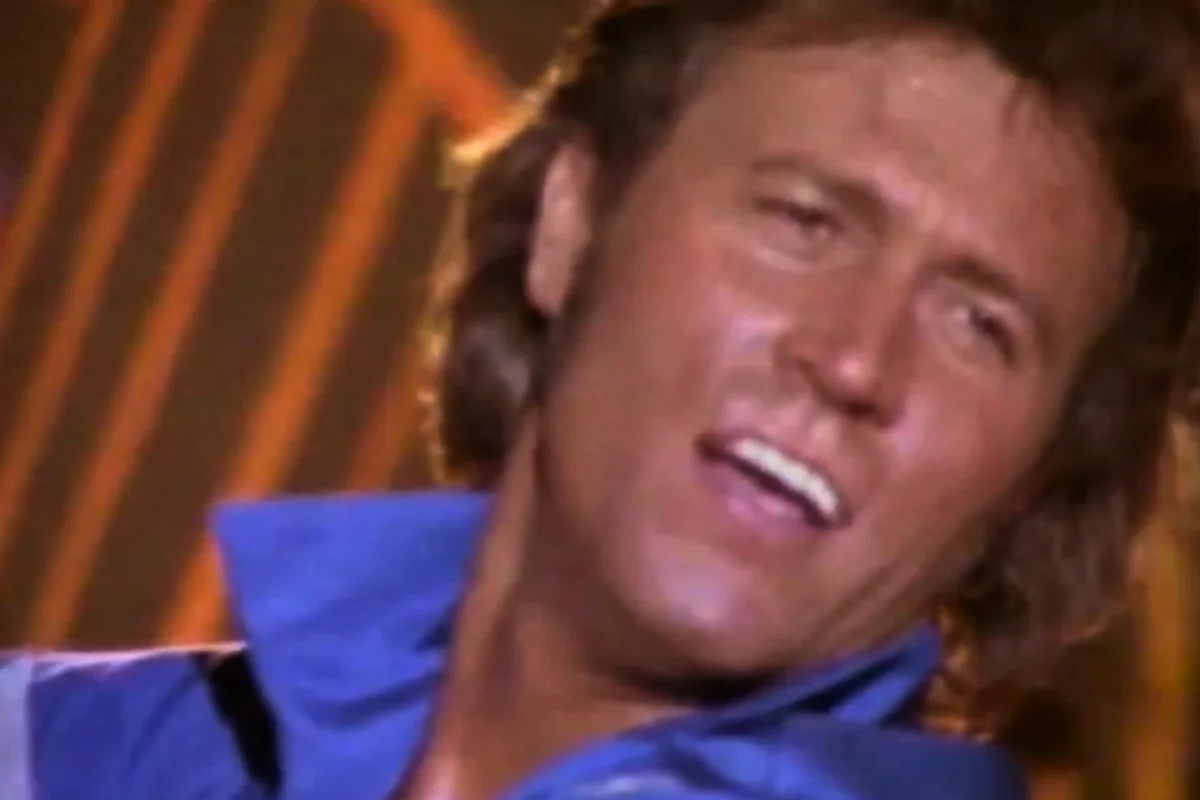
Have you ever seen a lion without its mane? That is exactly how fans felt in 1984 when Barry Gibb released his solo song, “Fine Line.”
For years, Barry was the face of the Bee Gees, famous for his big, flowing hair and his legendary beard. But for the music video for Fine Line, he did something shocking: he shaved it all off.
Barry looked like a completely different person! The music video has recently gone viral again because young fans can’t believe how handsome and different he looks with a clean-shaven face!
Barry Gibb – Fine Line (Part In Color)
But he wasn’t just changing his look; he was changing his whole life.
In the early 80s, people were growing tired of “Disco. Even though the Bee Gees were kings, the “Bee Gees” name was actually making it hard for them to get played on the radio. Barry decided to step out on his own to prove he was more than just a disco singer.
“Fine Line” was his way of showing he could do modern 80s pop. It has a fast, punchy beat and shows off his amazing voice. Even though it was a solo song, his brother Maurice actually helped him write it!
It was actually a “fine line” between being a Bee Gee and being a solo superstar, and Barry walked it perfectly.
Barry Gibb – Shine Shine – 1984
But before the “beardless” look took over, Barry gave us the hit song “Shine Shine.” If “Fine Line” was his modern reinvention, “Shine Shine” was his bridge to the new decade. Both songs are from the same album, Now Voyage.
This song is a mix of pop and R&B, with a little island “Reggae” vibe that Barry loved.
In the “Shine Shine” video, Barry still had his famous beard, but his style was shifting. He moved away from the sparkly disco suits and into a more relaxed, cool 80s adventurer look. This song became a huge hit in America and Europe, all thanks to his experimental looks!
The best thing about this era is that it proved one thing: fans adore Barry Gibb no matter what he looks like. Whether he is rocking a lion’s mane or a clean face, his genius songwriting always “shines” through. He survived the anti-disco era by simply being too good to ignore.
