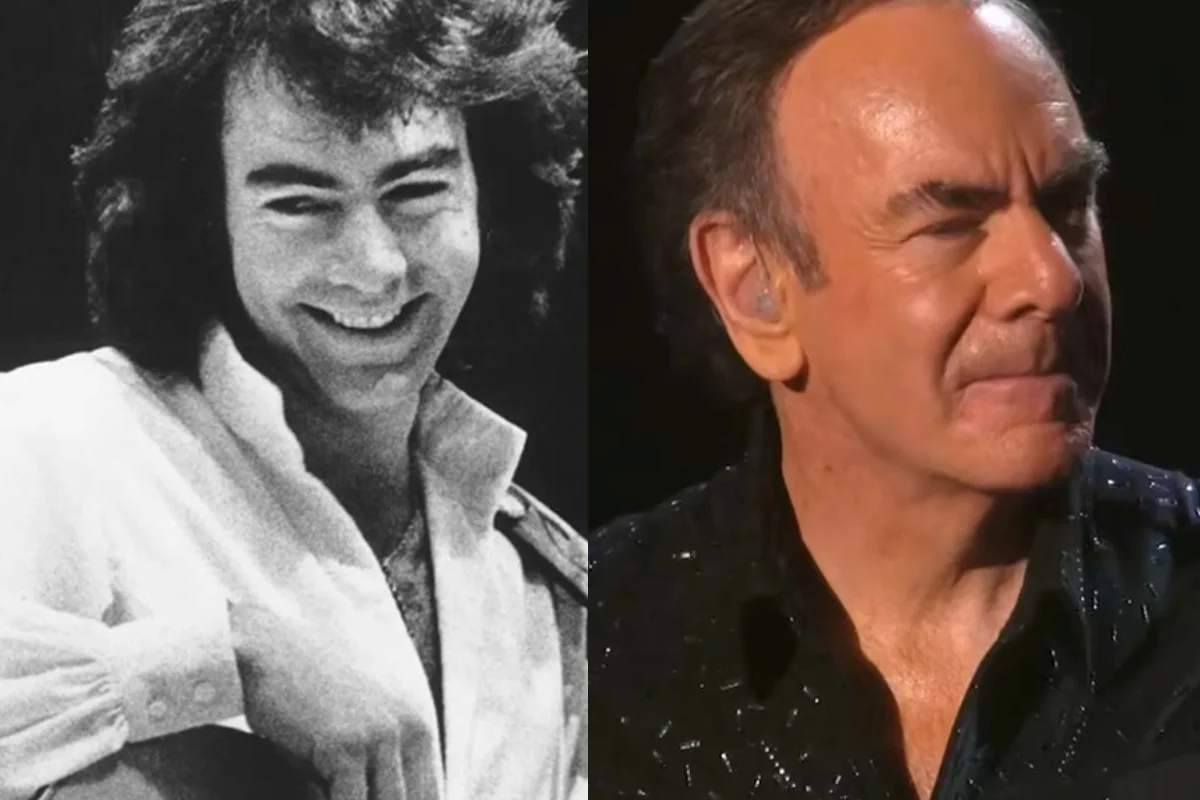
In 1971, Neil Diamond was at the top of the world, but inside, he was falling apart. He had just moved from New York to Los Angeles and felt like a stranger in his own skin. He even tried out for the lead role in the movie Lenny (about comedian Lenny Bruce) and failed the screen test.
Devastated and depressed, Neil spent four months in intense therapy. He wasn’t just writing a song; he was fighting for his sanity. The result was “I Am… I Said,” a raw, haunting track where he famously sings to a chair because no one else is listening.
The song begins with a strange line: “Did you ever read about a frog who dreamed of being a king and then became one?” While fans felt the pain in his voice, legend has it that one famous critic, Dave Barry, didn’t buy it. Dave (often cited in music circles as someone who underestimated Diamond’s “soft rock” exterior) wrote a brutal review in his book, “Book of Bad Songs.” He mocked the “frog” lyrics and the “dramatic” tone, calling it pretentious and silly.
According to long-standing industry stories, the journalist was hit with a wave of “hate mail” so massive it would make a modern-day Twitter (X) cancellation look like a joke. Fans were outraged. To them, Neil wasn’t being “dramatic,” he was being honest about his mental health. The backlash was so intense and the letters so threatening that the journalist reportedly had to issue a public apology to stop the harassment. He realized too late: Never mess with a man who writes his own therapy.
Top Journalist Obliterated Icon & His Hit…got So Much Hate Mail-He-Nearly Retired!-Professor Of Rock
Despite the critics, the song became a global powerhouse. It hit #4 in both the US and the UK, proving that everyone around the globe understands the feeling of being “lost between two shores.”
It’s a song about the “sound of being alone,” and it remains Neil’s most personal work. Even today, at weddings or concerts, when that big orchestra kicks in for the chorus, you aren’t just hearing a hit; you’re hearing a man who survived his darkest hour.
To truly understand the “cry for help” energy, you have to see him perform it live. Check out this legendary 1971 performance where you can actually see the tension in his face!